Trump Administration Considers Demolition of 4 Historic Federal Buildings
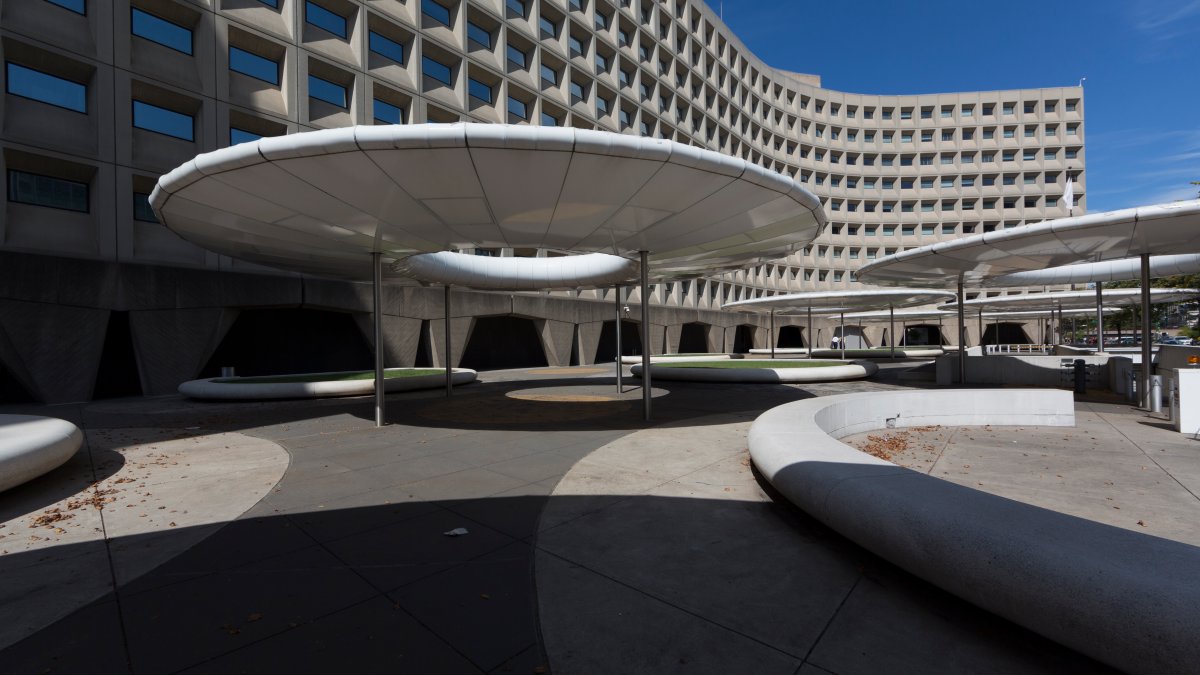
The Trump administration is considering the demolition of four historic federal buildings in Washington, D.C., including the **Robert C. Weaver Federal Building
Summary
The Trump administration is considering the demolition of four historic federal buildings in Washington, D.C., including the **Robert C. Weaver Federal Building** and the **Wilbur J. Cohen Federal Building**, according to a sworn declaration by **Mydelle Wright**, a retired GSA official. The buildings are listed on the **National Register of Historic Places** and are considered **National Historic Landmarks**. The plan has been met with opposition from historic preservation groups, who have filed a lawsuit against the Trump administration. The GSA has sole authority over the process, but Wright claims that the White House is acting unilaterally, bypassing the agency's obligations to comply with the **National Historic Preservation Act** and the **National Environmental Policy Act**. For more information on historic preservation, see [[historic-preservation|Historic Preservation]]. The **General Services Administration (GSA)** is responsible for managing federal properties, and their role in this process is crucial. The **Eisenhower Executive Office Building** is also mentioned in the context of the lawsuit. The demolition plan has sparked concerns over the potential loss of historic buildings and the executive branch's authority to unilaterally make decisions about federal properties. The GSA has denied the claims, calling them 'fake news' and stating that the agency is 'proud to right-size the federal real estate portfolio' by disposing of unneeded assets. However, Wright's declaration suggests that the White House is attempting to circumvent the GSA's authority and ignore the historic significance of the buildings. This issue is related to [[federal-real-estate|Federal Real Estate]] and [[historic-buildings|Historic Buildings]].
Key Takeaways
- The Trump administration is considering the demolition of four historic federal buildings in Washington, D.C.
- The buildings are listed on the National Register of Historic Places and are considered National Historic Landmarks
- The GSA has sole authority over the process of managing federal properties
- The White House's involvement in the process raises questions about the separation of powers and the potential for executive overreach
- The historic preservation community is concerned about the potential loss of significant cultural and historical assets
Balanced Perspective
The situation highlights the complexities of federal property management and the need for transparency and accountability in decision-making processes. The GSA's authority over federal properties is clear, but the White House's involvement in the process raises questions about the separation of powers and the potential for executive overreach. The historic preservation community is concerned about the potential loss of significant buildings, but the GSA's denial of the claims suggests that the agency is committed to following the proper procedures. It is essential to consider multiple perspectives and evaluate the evidence before making a judgment. The **Federal Historic Preservation Laws** provide a framework for preserving historic properties, and understanding these laws is crucial in this context.
Optimistic View
The Trump administration's plan to demolish the four federal buildings could be seen as a necessary step to modernize the federal real estate portfolio and reduce maintenance costs. The GSA's denial of the claims suggests that the agency is committed to following the proper procedures and ensuring that any decisions about federal properties are made in accordance with the law. Additionally, the plan could create opportunities for new development and economic growth in the area. However, it is essential to consider the historic significance of the buildings and the potential impact on the community. For more information on urban development, see [[urban-development|Urban Development]]. The **National Park Service** also plays a crucial role in preserving historic sites, and their input is valuable in this context.
Critical View
The Trump administration's plan to demolish the four federal buildings is a clear example of executive overreach and a disregard for the historic significance of the buildings. The White House's attempt to bypass the GSA's authority and ignore the historic preservation community's concerns is alarming and suggests a lack of transparency and accountability. The potential loss of these historic buildings would be a significant cultural and historical loss, and the community should be concerned about the precedent this sets for future decisions about federal properties. The **National Trust for Historic Preservation** is an organization that works to preserve historic sites, and their expertise is valuable in this context. For more information on historic preservation efforts, see [[historic-preservation-efforts|Historic Preservation Efforts]].
Source
Originally reported by NBC4 Washington